Histonyx Models
AI tissue scoring for IBD — built to read histologic activity and healing consistently across thousands of slides, for trials and research.
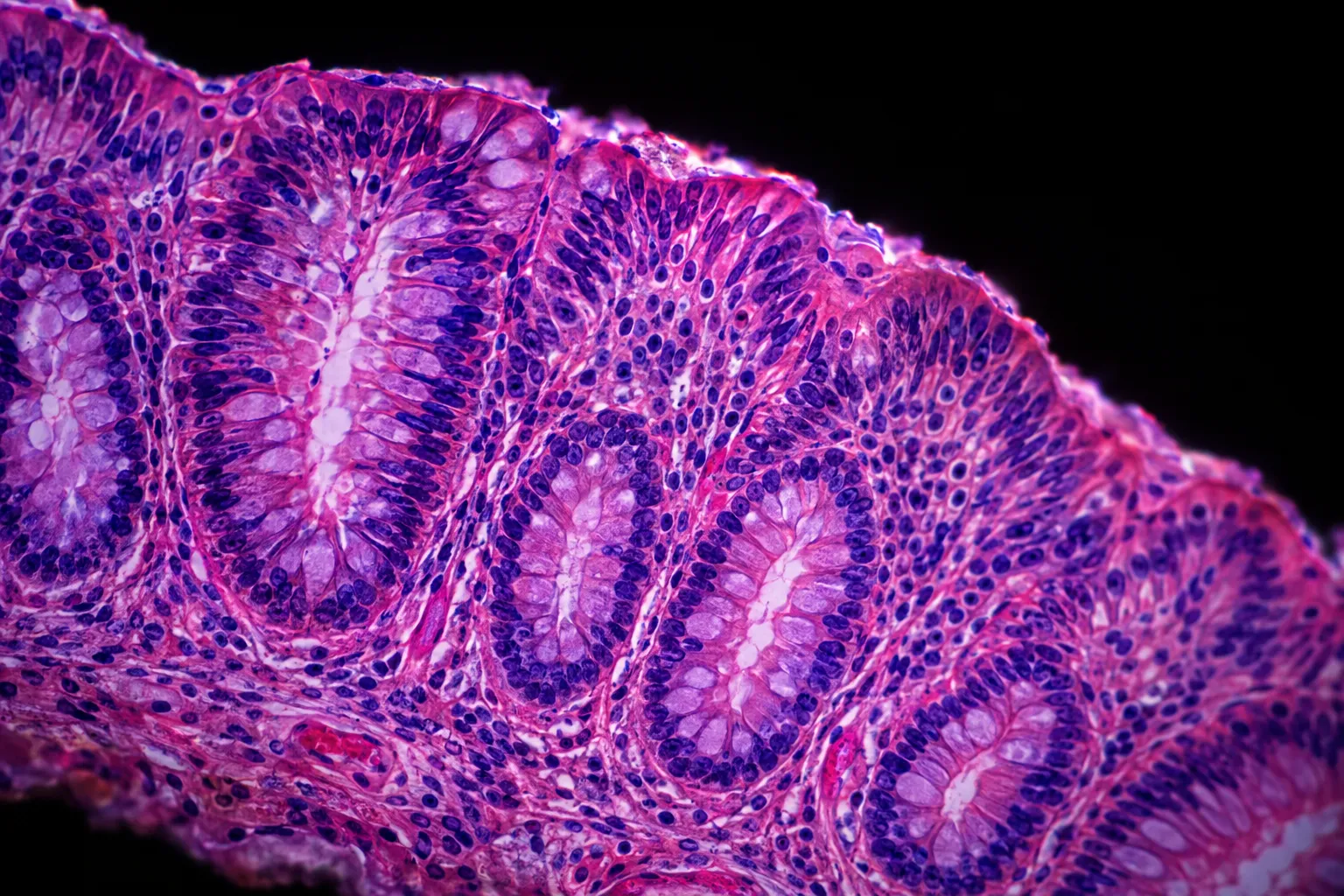
Quantum histology · GI pathology · Decentralized trials
Histonyx turns ~3 million biopsy-confirmed GI cases — repeat biopsies from the same patients, special stains beyond H&E, linked medications, and slide images — into cohorts, AI-ready data, and decentralized trials.
Approximate ranges. Final counts are confirmed in a feasibility review.
01 — The record
Claims data tells you a code was billed. Histonyx shows what the tissue looked like, what the patient was taking, and how the disease changed between biopsies.
Pathologist-confirmed diagnosis — not a billing code.
02 — Beyond H&E
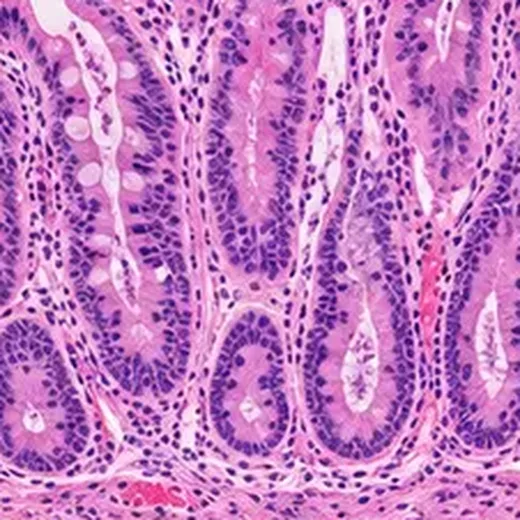
Most pathology datasets stop at the routine stain. Histonyx cases carry special stains and immunohistochemistry, so you can define cohorts by what the tissue expressed, not just what it was called.
03 — The gap
04 — From count to trial
Count patients who match your protocol — by diagnosis, stain result, treatment history, state, and year.
Review the cohort's tissue findings, stain panels, slide images, and treatment patterns before you commit.
Reach patients through their own physicians, with consent, and onboard them into a decentralized study.
Capture symptoms and outcomes remotely at home, with fewer site visits.
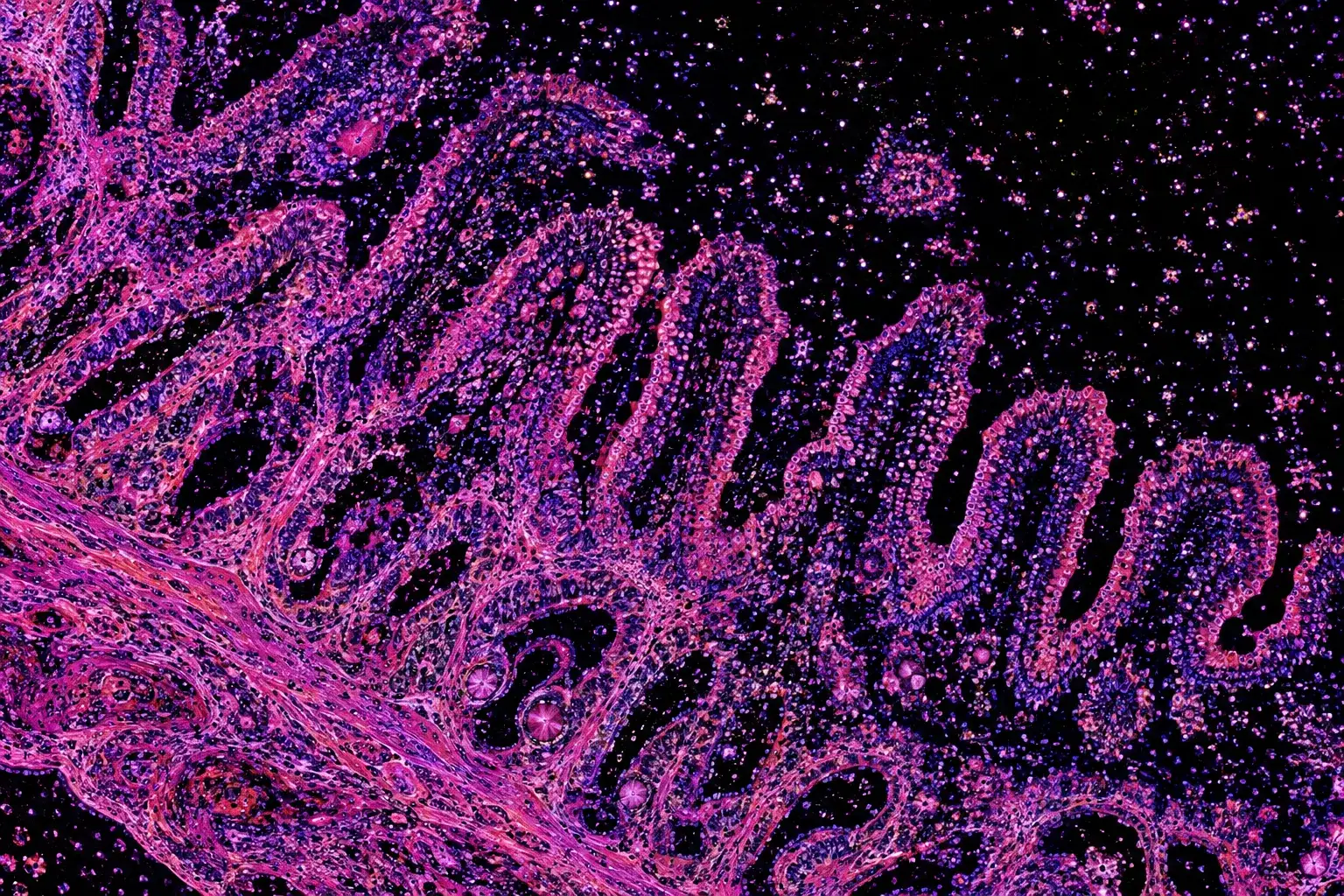
A decade of GI disease, read cell by cell.
05 — Who it's for
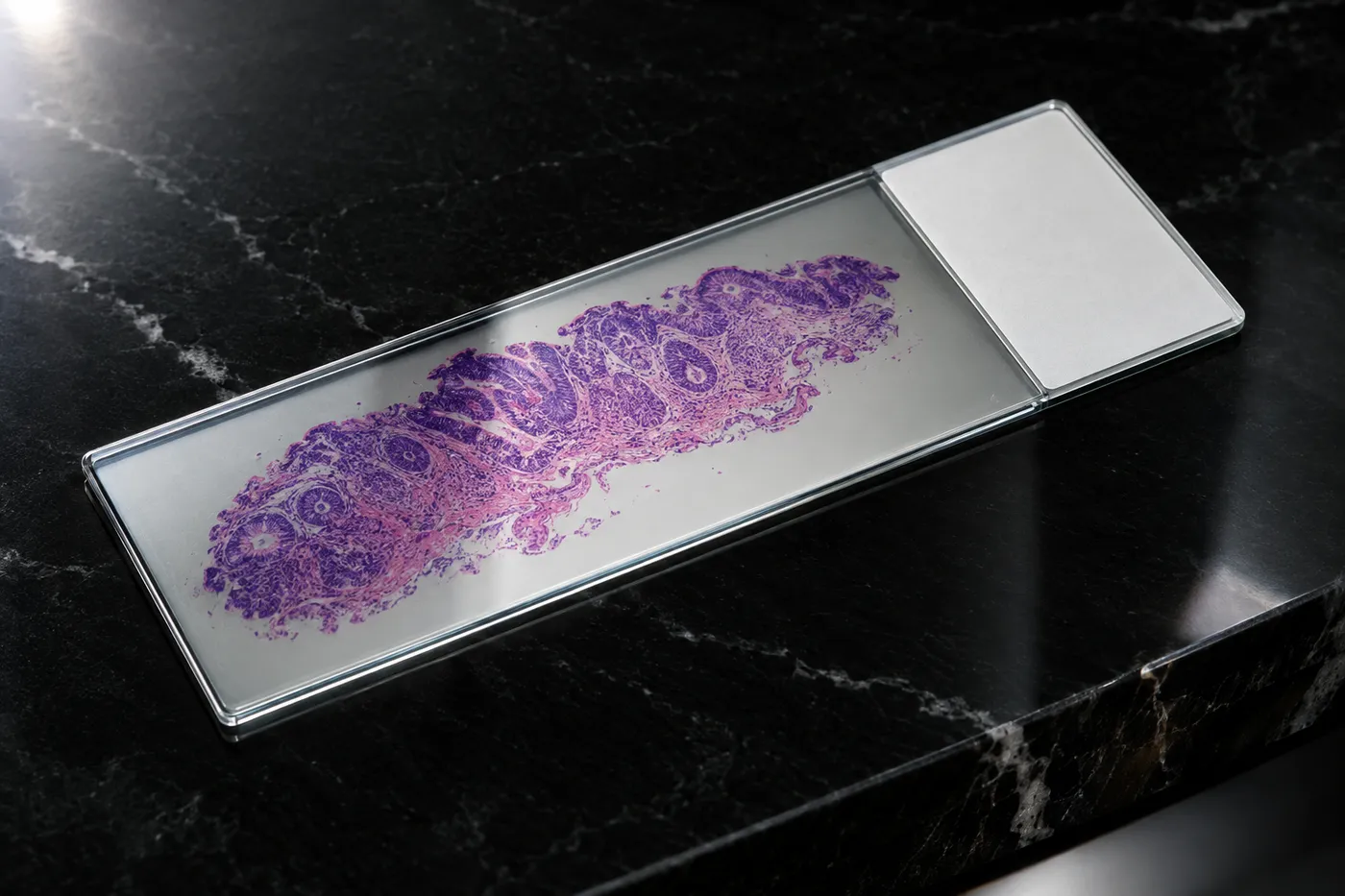
License linked tissue, stain, and medication data that claims can't provide.
Measure tissue-level disease and treatment response over time in biopsy-confirmed cohorts.
Size protocols before launch, then recruit the patients through Histonyx.
Train and validate biomarkers and models on slides linked to stain results and treatment.
Show what happens in the tissue after therapy, in real patients.
06 — What's next
AI tissue scoring for IBD — built to read histologic activity and healing consistently across thousands of slides, for trials and research.
A connected lab information system that grows the dataset lab by lab, with clear data rights built in.
Co-developing tissue-based tests alongside new therapies.
Data is released only in de-identified form under a signed data use agreement. Slide images are checked for labels and identifiers before release. Trial recruitment runs separately, through patients' own physicians and with consent — never by re-identifying licensed data.
Start here
A feasibility count for one indication: cohort sizes, stain coverage, and treatment-history ranges.